

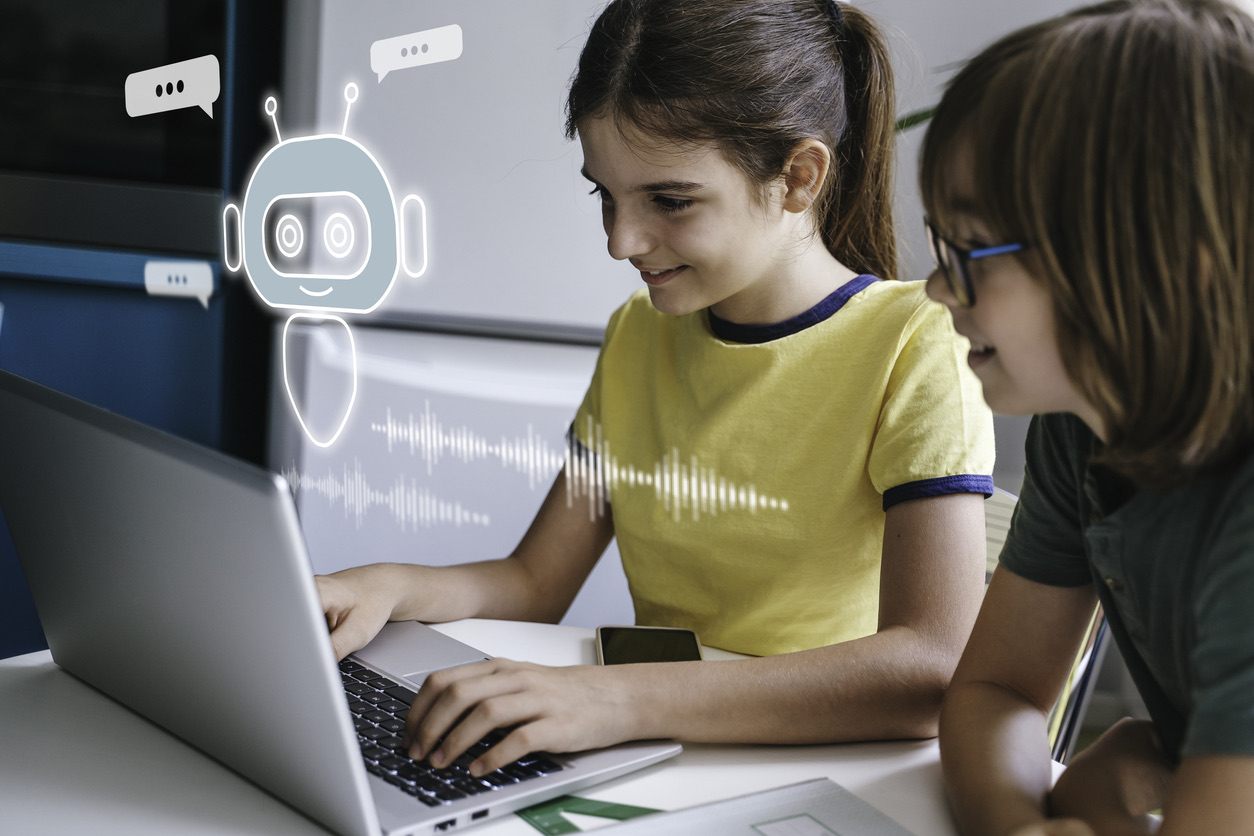
As AI technology becomes more within reach and intertwined with daily activities, an increasing number of youngsters are engaging with AI-driven companions for advice, direction, and emotional solace. A new study has highlighted this pattern, indicating that children as young as eight years old are discussing personal dilemmas with AI chatbots—from academic pressure to familial challenges. Although this technology is created to be supportive and interactive, specialists caution that leaning on AI for guidance during developmental stages might lead to unforeseen outcomes.
The findings come at a time when generative AI systems are becoming part of children’s digital environments through smart devices, educational tools, and social platforms. These AI companions are often designed to respond with empathy, offer problem-solving suggestions, and simulate human interaction. For young users, particularly those who may feel misunderstood or hesitant to speak to adults, these systems provide an appealing, non-judgmental alternative.
However, psychologists and educators are raising concerns about the long-term effects of such interactions. One major issue is that AI, no matter how sophisticated, lacks genuine understanding, emotional depth, and ethical reasoning. While it can simulate empathy and provide seemingly helpful responses, it does not truly grasp the nuance of human emotions, nor can it offer the kind of guidance a trained adult—such as a parent, teacher, or counselor—might provide.
The research noted that numerous children see AI tools as reliable companions. In certain instances, they favored the AI’s answers over those provided by adults, mentioning that the chatbot “pays more attention” or “never cuts in.” Although this view underscores the prospective benefits of AI as a means of communication, it also emphasizes shortcomings in interactions between adults and children that must be resolved. Specialists warn that replacing genuine human interaction with digital communication could affect children’s social skills, emotional growth, and ability to adapt.
Another issue raised by researchers is the risk of misinformation. Despite ongoing improvements in AI accuracy, these systems are not infallible. They can produce incorrect, biased, or misleading responses—particularly in complex or sensitive situations. If a child seeks advice on issues like bullying, anxiety, or relationships and receives flawed guidance, the consequences could be serious. Unlike a responsible adult, an AI system has no accountability or contextual awareness to determine when professional help is needed.
The research additionally discovered that some children assign human-like traits to AI companions, giving them emotions, intentions, and personalities. This merging of boundaries between machines and humans can lead to confusion among young users regarding technology and relationships. Although establishing emotional connections with imaginary beings is not unprecedented—consider children’s relationships with their cherished stuffed toys or television characters—AI introduces a level of interactivity that can intensify attachment and obscure distinctions.
Parents and educators are now faced with the challenge of navigating this new digital landscape. Rather than banning AI outright, experts suggest a more balanced approach that includes supervision, education, and open conversations. Teaching children digital literacy—how AI works, what it can and can’t do, and when to seek human support—is seen as key to ensuring safe and beneficial use.
The developers of AI companions are under growing pressure to incorporate protective measures into their systems. A few platforms have started to incorporate content moderation, implement age-suitable filters, and establish emergency protocols. Nonetheless, the consistency of enforcement varies, and there is no standard guideline for AI interaction with young people. As the interest in AI tools increases, industry regulation and ethical guidelines are expected to become more significant in discussions.
Educators also have a role to play in helping students understand the role of AI in their lives. Schools can incorporate lessons on responsible AI use, critical thinking, and digital wellbeing. Encouraging real-world social interaction and problem-solving reinforces skills that machines cannot replicate, such as empathy, moral judgment, and resilience.
Despite the concerns, the integration of AI into children’s lives is not without potential benefits. When used appropriately, AI tools can support learning, creativity, and curiosity. For example, children with learning differences or speech challenges may find AI chatbots helpful in expressing themselves or practicing communication. The key lies in ensuring that AI serves as a supplement—not a substitute—for human connection.
Ultimately, the increasing reliance on AI by children reflects broader trends in how technology is reshaping human behavior and relationships. It serves as a reminder that, while machines may be able to mimic understanding, the irreplaceable value of human empathy, guidance, and connection must remain at the heart of child development.
As AI progresses, our methods for children’s interaction with it must also advance. Achieving a balance between innovation and responsibility demands careful cooperation from families, educators, developers, and policymakers. This is essential to ensure that AI serves as a beneficial influence in children’s lives, enhancing rather than substituting the human assistance they genuinely require.
