

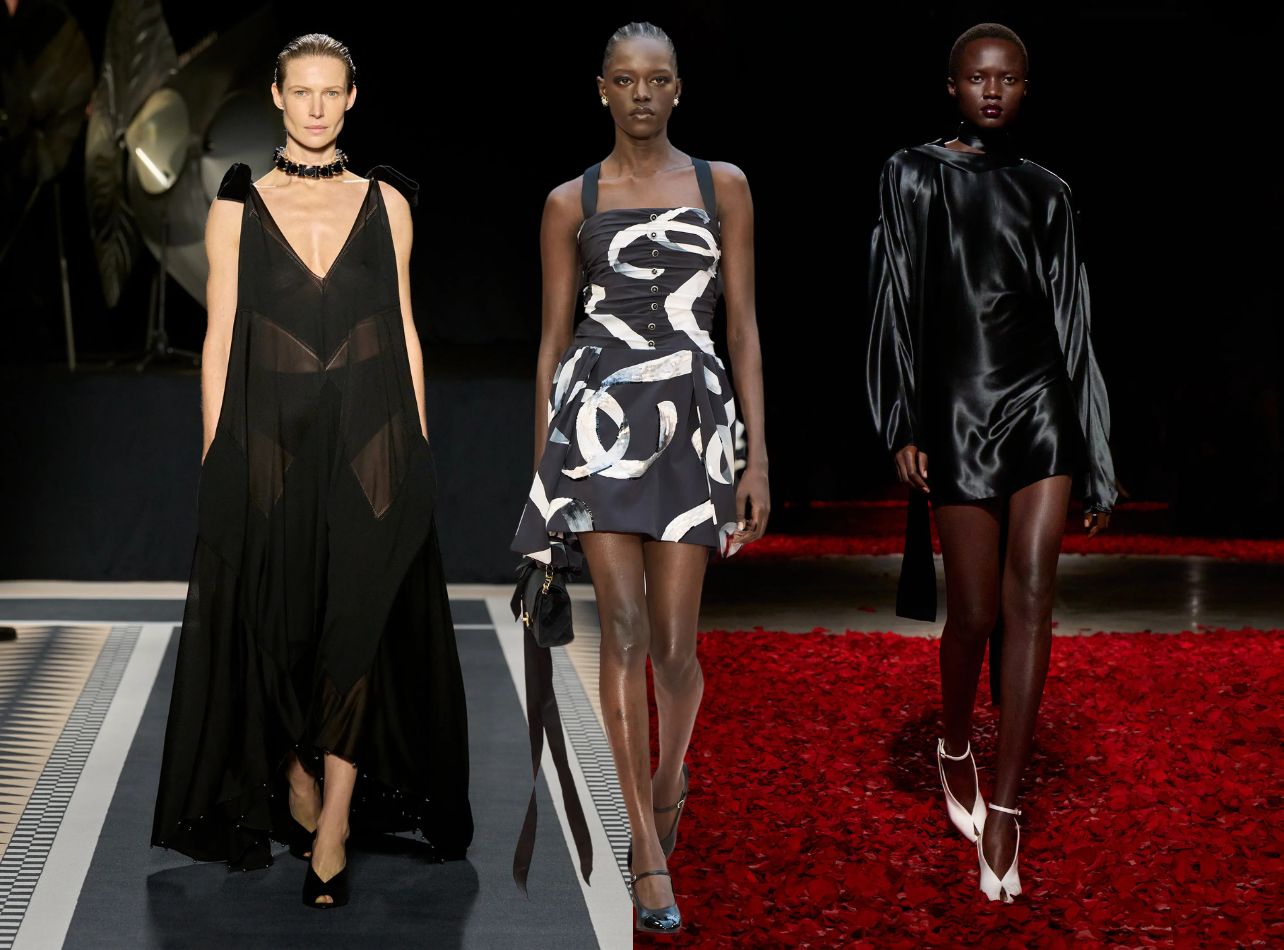
When Alber Elbaz initially took the helm at Lanvin in 2001, the Parisian fashion house was a dormant powerhouse, boasting a storied past but lacking modern appeal. Through his leadership, Lanvin underwent a period of artistic revival, distinguishing itself from other high-end fashion labels. Elbaz’s impact at Lanvin was characterized by several unique aspects, such as his unparalleled design philosophy, dedication to meticulous artistry, and his remarkable ability to engage with both famous personalities and ordinary women.
Redefining Sophistication with Ingenuity
Elbaz’s design philosophy incorporated a contemporary view of traditional femininity. He famously stated, “I love women, and I wanted to make them feel beautiful and comfortable.” His designs for Lanvin were distinguished by their flawless draping, opulent fabrics, and striking yet flowing shapes. In contrast to the stiff structures prevalent in the early 2000s, his works celebrated motion, feeling, and allure.
Among his most renowned collections, the Fall 2008 ready-to-wear line was notable for its pioneering application of raw-edged silk and intricate pleating. Reviewers lauded the collection for merging Parisian elegance with a whimsical, unconventional spirit. Elbaz’s genius resided in rendering haute couture-level artistry both contemporary and approachable.
Empowering Women With Clothing
Central to Elbaz’s philosophy at Lanvin was the belief that fashion should empower, not intimidate, women. He rejected the notion of “dictatorial” fashion, often stating his goal was to create garments that women wanted to wear, not just admire on a runway. This was evidenced by his penchant for practical details—dresses that could be slipped on without zippers, adjustable ribbons and ties, and fabrics that favored comfort without sacrificing luxury.
His Spring 2011 collection exemplified this ethos by cleverly blending utilitarian functionality with glamour through one-shouldered metallic dresses accessorized with chunky jewels. The looks were celebratory but accessible, and the models appeared confident and at ease, reflecting Elbaz’s intention to dress “real women.”
Expert Narrative Crafting and Affective Engagement
What set Elbaz apart from many of his peers was his knack for imbuing collections with a rich narrative and profound emotion. His presentations frequently conveyed feelings of happiness, longing, and human connection. Instead of depending purely on grand displays, Elbaz drew his viewers into a gentle, almost personal world. To mark his 10th year at Lanvin, he paraded down the runway alongside seamstresses, highlighting the collaborative effort and skilled craftsmanship involved in every piece of clothing.
This focus on narrative also extended to his branding strategies. The now-iconic Lanvin campaign, featuring models and non-models alike in joyous, candid poses, subverted industry norms and fostered an authentic sense of inclusivity.
Advancements in Partnerships and Red Carpet Approaches
Elbaz pioneered a modern approach to collaborations and celebrity relationships. While many fashion houses reserved their most spectacular designs for in-house presentations, Elbaz democratized the idea of high fashion accessibility by collaborating with retailers like H&M in 2010. The resulting collection sold out within hours and introduced the Lanvin aesthetic to a much wider audience, confirming Elbaz’s savvy understanding of evolving consumer landscapes.
Additionally, Lanvin experienced a meteoric rise in red carpet presence under Elbaz. His designs for actresses such as Meryl Streep, Natalie Portman, and Tilda Swinton balanced glamour and relatability, often chosen for their comfort as much as their dramatic impact. Elbaz’s way with draping, textures, and jewelry crafted memorable moments that shaped red carpet style for a generation.
Redefining the Position of the Creative Director
Beyond his skills as a designer, Elbaz’s leadership style set new expectations for the role of a creative director in luxury fashion. He was known for his humility, quick wit, and profound empathy, often crediting his team of seamstresses and collaborators for the house’s successes. This collaborative spirit fostered an environment where innovation flourished, and it contributed significantly to Lanvin’s creative output.
Unlike some of the era’s more enigmatic or headline-seeking creative heads, Elbaz appeared relatable and approachable. His signature bow ties and glasses became a symbol of endearing eccentricity, reinforcing both his unique personal brand and the house’s approachable take on luxury.
Enduring Legacy
Alber Elbaz’s period at Lanvin stands as a definitive example in modern fashion due to its effortless fusion of heritage and novelty. His contributions not only breathed new life into Lanvin as an enterprise but also established a fresh paradigm for contemporary sophistication grounded in emotional depth and utility. The fashion industry consistently examines his ranges and managerial approach, highlighting the significant impact a single designer can achieve by valuing empathy, narrative, and genuine rapport over transient fads or business tactics.
