

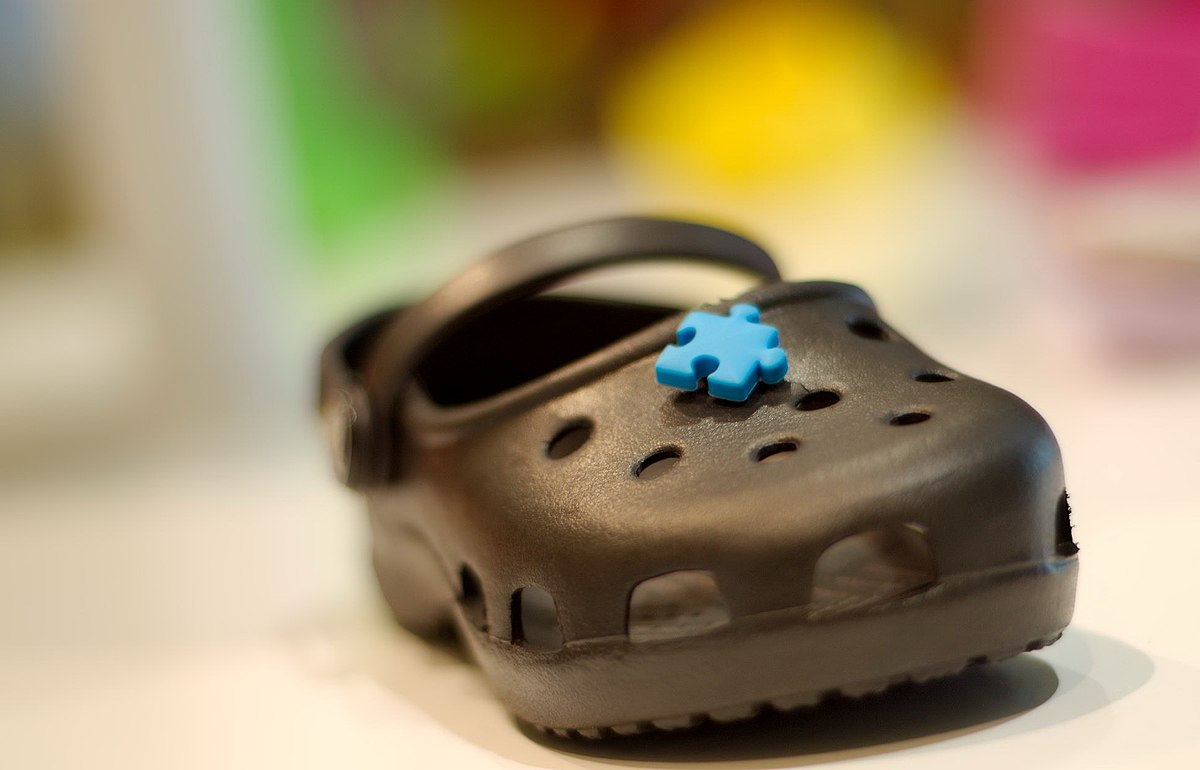
The U.S. shoe market has experienced a considerable shift in consumer tastes, with new sales statistics indicating a substantial decline in the buying of Crocs’ iconic foam clogs. This decrease arises as more consumers lean towards classic sneakers and athletic footwear aimed at performance, highlighting a change from the surge during the pandemic that catapulted the comfortable, breathable shoes into high demand.
Market analysts have identified several reasons for this decline in sales. The shift back to office work and social engagements has led many buyers to prefer more traditional shoe styles. Furthermore, the present fashion trend favors streamlined, minimalist sneaker designs over the bulky, practical style that made Crocs popular during the lockdowns. Retail monitoring statistics indicate particularly sharp drops among younger consumer segments who were once key in driving the brand’s demand.
The sales downturn presents challenges for a company that enjoyed explosive growth during the height of the COVID-19 pandemic. In 2020 and 2021, Crocs became a cultural phenomenon as homebound consumers prioritized comfort over style. The brand successfully capitalized on this trend through collaborations with celebrities and designers, as well as viral marketing campaigns featuring custom “Jibbitz” charms that allowed personalization of the simple foam shoes.
Industry observers note that Crocs’ current struggles reflect broader changes in consumer behavior. With people spending more time outside their homes, footwear preferences have shifted back toward versatile options suitable for various settings. Athletic brands like Nike, Adidas, and New Balance have benefited from this transition, reporting stronger sales of classic sneaker models that bridge casual and active wear.
Despite the U.S. sales decline, Crocs maintains strong performance in international markets and continues seeing growth in certain product categories. The company’s sandals and slides have gained traction as seasonal options, while collaborations with high-profile partners still generate buzz. Management has emphasized their strategy to position Crocs as a “four-season brand” rather than relying solely on the classic clog design.
Retail experts suggest the brand faces a critical period of reinvention. Some recommend expanding into new materials and constructions that maintain the comfort premise while offering more contemporary styling. Others argue Crocs should double down on its distinctive identity rather than chasing trends, betting on another cycle of nostalgia-driven demand for the original designs.
The company’s handling of these obstacles will be keenly observed as an example of brand endurance. Earlier efforts to broaden the range of products have seen varied results, since buyers closely link the brand with its iconic clog design. Experts in marketing believe the answer might be found in harmonizing new ideas with the essential qualities that made Crocs favored – ease, practicality, and individuality through personalization.
Este cambio en las ventas también refleja factores económicos más amplios que afectan el gasto de los consumidores. Con la inflación impactando las compras discrecionales, muchos compradores son más cuidadosos al invertir en calzado, optando a menudo por opciones versátiles en lugar de estilos para un solo uso. Esta tendencia ha afectado a varias marcas centradas en la comodidad que prosperaron durante el período de quedarse en casa durante la pandemia.
Looking ahead, Crocs executives have signaled plans to adjust production and inventory levels to better match current demand patterns. The company continues investing in marketing initiatives aimed at maintaining cultural relevance, including music festival partnerships and social media campaigns featuring diverse wearers. Whether these efforts can reverse the sales slide or whether Crocs will need to undergo more fundamental changes remains an open question in the volatile footwear market.
The brand’s experience serves as a reminder of how quickly consumer preferences can change, especially for products that achieve rapid, trend-driven growth. As Crocs navigates this transition, the coming seasons will reveal whether it can sustain its position as a mainstream footwear choice or whether it will settle into a more niche role in the competitive shoe market.
For now, retail analysts recommend watching several indicators: back-to-school shopping patterns, holiday season performance, and the success of new product introductions. These factors will help determine whether the current sales decline represents a temporary correction or a more fundamental shift in the brand’s market position. The company’s ability to adapt while staying true to its identity may ultimately decide its fate in the ever-changing world of footwear fashion.
