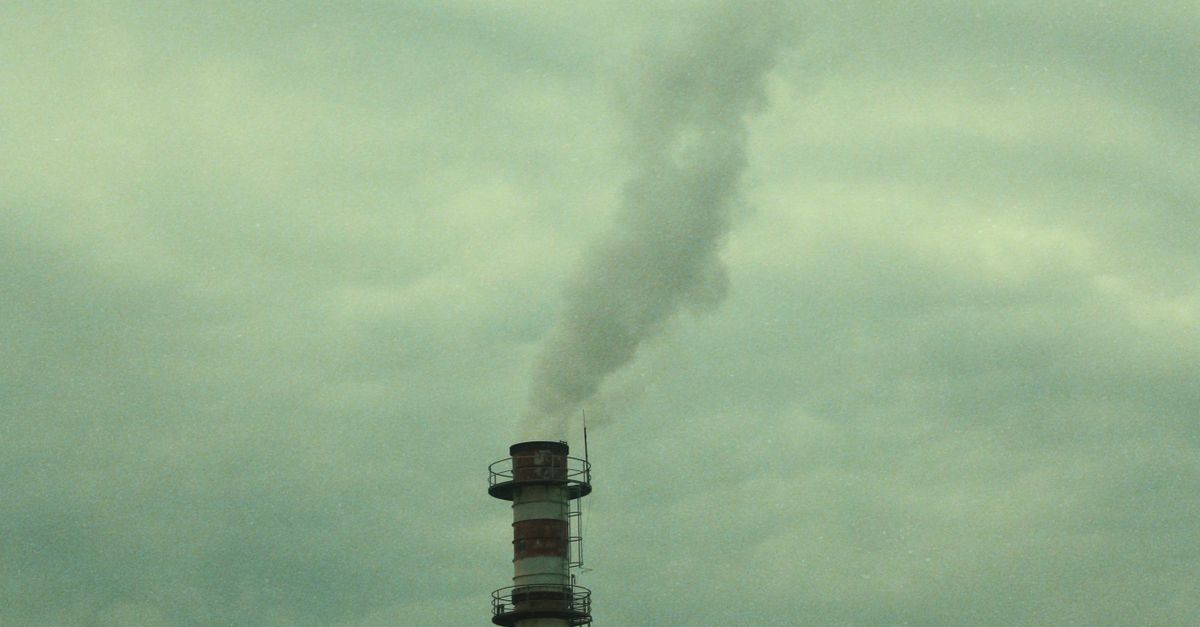
Industrial disasters have repeatedly exposed the hidden costs of rapid economic growth and technological expansion. When regulatory systems lag behind industrial innovation, catastrophic accidents often become the turning points that reshape environmental law. Across continents and decades, large-scale environmental disasters have triggered sweeping reforms, stricter oversight, and global cooperation. The following ten events stand out as pivotal moments that forced governments to strengthen environmental regulation and corporate accountability.
1. The Great Smog of London (1952)
In December 1952, a thick blanket of smog shrouded London over the course of five days. Triggered chiefly by coal combustion coupled with atypical meteorological patterns, this environmental disaster resulted in roughly 12,000 fatalities alongside exceeding 100,000 cases of illness. Horizontal visibility plummeted so drastically that all transit systems came to a complete standstill.
The public health crisis compelled the United Kingdom to enact the Clean Air Act of 1956, which introduced smokeless zones, relocated power stations away from cities, and promoted cleaner fuels. This legislation became a model for air quality regulation worldwide and demonstrated the direct link between air pollution and mortality.
2. Minamata Disease (Japan, 1950s)
During the 1950s, people living in Minamata, Japan, experienced severe neurological disorders triggered by methylmercury intoxication. Industrial wastewater released by the Chisso Corporation into Minamata Bay was responsible for this pollution. Numerous individuals suffered the consequences, leaving many with permanent impairments throughout their lives.
The tragedy prompted Japan to strengthen its Water Pollution Control Law and establish comprehensive environmental quality standards. It also influenced global awareness about bioaccumulation and toxic industrial discharge, shaping modern hazardous waste regulation.
3. Torrey Canyon Oil Spill (1967)
When the oil tanker Torrey Canyon ran aground off the coast of the United Kingdom, roughly 100,000 tons of crude oil poured into the ocean. Representing one of the earliest catastrophic supertanker accidents, the incident polluted hundreds of kilometers of shoreline.
The accident triggered global maritime policy overhauls, encompassing enhanced tanker architecture standards alongside the creation of the International Convention for the Prevention of Pollution from Ships. Furthermore, authorities were prompted by the incident to establish organized petroleum discharge contingency frameworks.
4. The Cuyahoga River Fire (1969)
The Cuyahoga River located in Ohio ignited on several occasions as a result of oil spills and factory refuse, yet the 1969 conflagration emerged as an emblem of unregulated environmental degradation across the United States. Photographs depicting a flaming waterway horrified citizens and catalyzed grassroots ecological movements.
The incident helped catalyze the creation of the Environmental Protection Agency in 1970 and the passage of the Clean Water Act of 1972. These measures established enforceable water quality standards and penalties for polluters.
5. Seveso Disaster (1976)
A chemical plant explosion in Seveso, Italy, released a toxic cloud containing dioxin. Thousands of animals died, and local residents suffered skin lesions and other health effects. Large areas required evacuation and soil removal.
The disaster led to the European Union’s Seveso Directive, which mandates strict controls on facilities handling large quantities of hazardous substances. The directive introduced requirements for risk assessment, emergency planning, and public information.
6. Love Canal (1978)
In Niagara Falls, New York, a neighborhood was built atop a toxic waste dump containing over 20,000 tons of chemical waste. Residents reported birth defects, cancer clusters, and other illnesses.
Public backlash spurred the enactment of the Comprehensive Environmental Response, Compensation, and Liability Act of 1980, frequently referred to as the Superfund law. A federal initiative was thus created to remediate contaminated waste locations, placing financial responsibility squarely on the shoulders of liable parties.
7. Bhopal Gas Tragedy (1984)
A pesticide facility managed by Union Carbide in Bhopal, India, emitted roughly 40 tons of methyl isocyanate gas. Immediate casualties surpassed 3,000, while long-term deaths were calculated to exceed 15,000. Hundreds of thousands endured persistent health complications.
Bhopal exposed severe gaps in industrial safety, especially in developing nations. India enacted the Environment Protection Act of 1986, granting the government broad authority to regulate industrial pollution. Globally, the tragedy influenced chemical safety standards and emergency preparedness requirements.
8. Exxon Valdez Oil Spill (1989)
The Exxon Valdez tanker struck a reef in Alaska, releasing about 11 million gallons of crude oil into Prince William Sound. The spill devastated wildlife, fisheries, and local communities.
The United States responded with the Oil Pollution Act of 1990, which strengthened spill response capabilities, increased corporate liability, and mandated double-hull designs for tankers. The law significantly improved marine environmental protection standards.
9. Deepwater Horizon Explosion (2010)
An offshore drilling rig operated by BP exploded in the Gulf of Mexico, killing 11 workers and releasing nearly 4.9 million barrels of oil over 87 days. It became the largest marine oil spill in history.
The disaster led to major reforms in offshore drilling regulation, including stricter well design standards, enhanced safety oversight, and the restructuring of federal agencies responsible for energy development and environmental enforcement.
10. Fukushima Daiichi Nuclear Disaster (2011)
Triggered by a massive earthquake and tsunami, the Fukushima nuclear power plant meltdown released radioactive materials into the environment. Over 150,000 people were evacuated, and long-term cleanup costs are estimated in the hundreds of billions of dollars.
Japan established a new independent nuclear regulatory authority and introduced more stringent safety requirements. Globally, many countries reassessed nuclear safety standards, stress testing reactors and revising emergency preparedness protocols.
Common Regulatory Outcomes
Across these disasters, several regulatory patterns emerged:
- Stricter requirements for environmental monitoring and reporting
- Broadened corporate liability along with heightened financial accountability
- Establishment of dedicated environmental authorities
- Obligatory risk evaluations paired with comprehensive emergency response strategies
- Enhanced public openness supported by community right-to-know legislation
Long-Term Impact on Global Environmental Governance
These catastrophes reshaped not only national laws but also international cooperation. Multilateral agreements on marine pollution, hazardous chemicals, and climate-related risks trace their urgency to lessons learned from industrial failures. Businesses today operate under stricter compliance frameworks, and environmental risk management has become central to corporate governance.
Industrial disasters often reveal systemic weaknesses that routine oversight fails to detect. The immense human, ecological, and economic costs force societies to confront the true price of insufficient regulation. While progress has reduced certain risks, new technologies and emerging industries continue to test regulatory systems. The enduring lesson from these ten disasters is clear: meaningful environmental protection is rarely proactive; it is most often written in the aftermath of preventable tragedy.