

What Distinguishes ‘Pan’s Labyrinth’ as Exceptional?
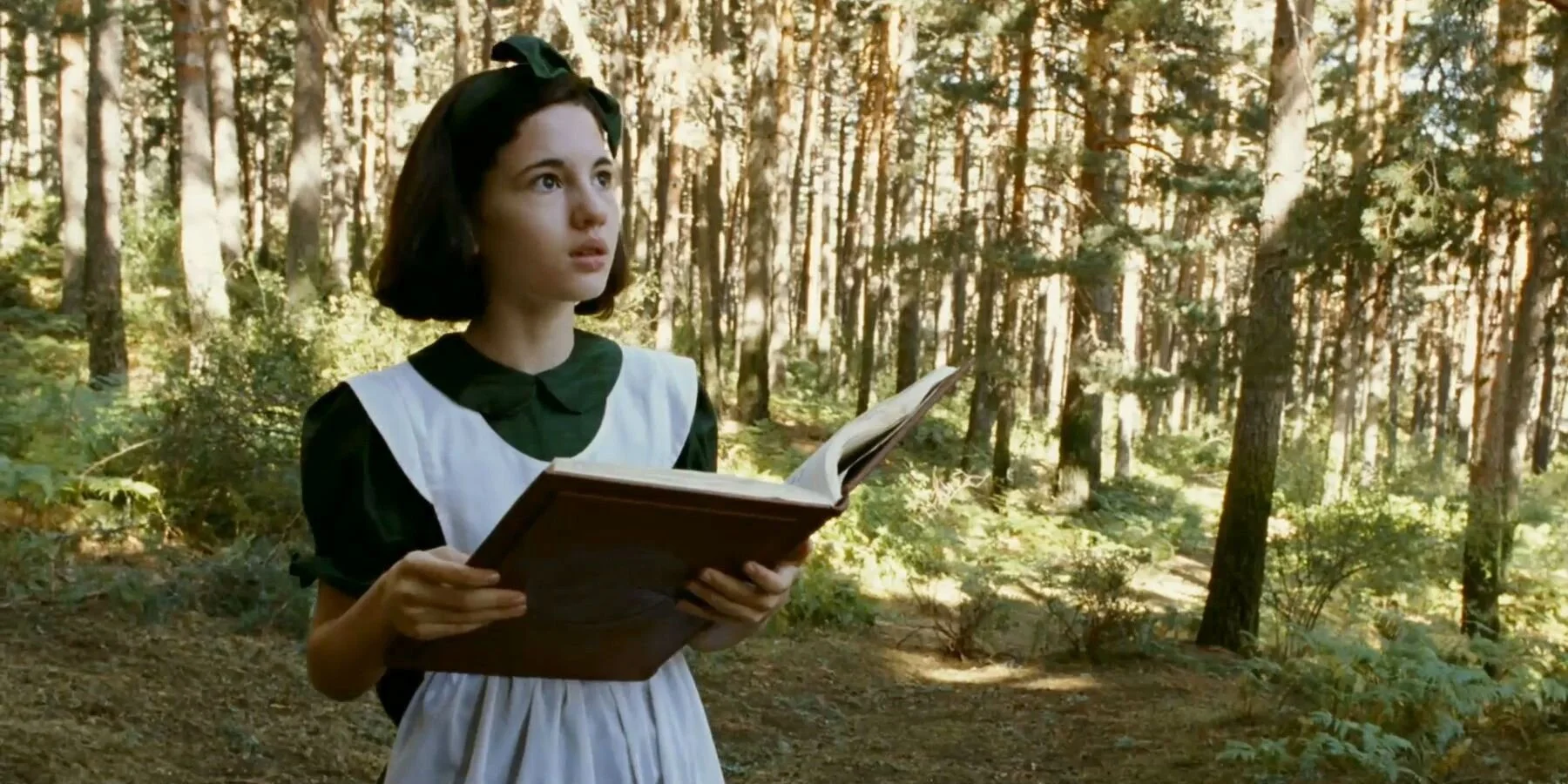
Guillermo del Toro’s Pan’s Labyrinth is a brilliant film that captivates audiences through its remarkable blend of narrative, visual artistry, and profound themes. Premiering in 2006, the movie unfolds in the somber setting of post-Civil War Spain during 1944, contrasting historical realism with a mesmerizing yet dark fantasy world. Several distinctive components set Pan’s Labyrinth apart from other films, both within its genre and across international cinema.
Innovative Storytelling Techniques
One of the most distinct features of Pan’s Labyrinth is its seamless fusion of genres. The film interlaces drama, historical fiction, fantasy, horror, and fairy tale motifs, creating a narrative tapestry that is both emotionally resonant and intellectually stimulating. This genre convergence allows both the mundane brutality of the Francoist regime and the escapist allure of myths to coexist and interact. The protagonist, Ofelia, traverses these dual realities—her coming-of-age journey entangles with a mythical quest, grounding the fantastical elements in psychological necessity rather than escapism for its own sake.
Symbolism and Mythological Connections
The film stands out in its sophisticated use of symbolism. Del Toro draws heavily from mythological archetypes and Spanish folklore, rendering his story deeply allegorical. For instance, the faun—an ambiguous figure who guides Ofelia—invokes classical myth precisely because it defies reduction to good or evil. The labyrinth itself is a recurring motif, symbolizing both the complexities of the human psyche and the winding journey toward self-discovery. The magical tasks Ofelia must perform parallel her real-life struggles, granting the narrative layers of meaning that encourage repeated viewing and scholarly analysis.
Breakthroughs in Visual and Aesthetic Design
Pan’s Labyrinth exemplifies Del Toro’s reputation as a visual storyteller. The set designs, costumes, and use of practical effects blend with CGI to create an immersive world that feels tangible despite its surrealism. Cinematographer Guillermo Navarro’s dark, saturated color palette reflects the merging of reality and fantasy, portraying both realms as equally vivid and menacing. Detailed production design—such as the menacing Pale Man’s lair or the textures of the labyrinth—contributes to a haunting atmosphere that lingers with the viewer.
Concepts of Purity, Conflict, and Defiance
The film explores universal themes with unflinching emotional honesty. Innocence, as embodied by Ofelia, stands in stark contrast against the militant cruelty of Captain Vidal, her stepfather, whose character is modeled on the authoritarian archetype. Scenes of visceral violence are juxtaposed with elements of wonder, intensifying the emotional stakes and reinforcing the notion of lost innocence. Moreover, the motif of resistance—both political and personal—underscores the corrupting and redemptive potentials within human nature.
Sophisticated Approach to Fantasy
Unlike numerous films deriving inspiration from fairy tales, Pan’s Labyrinth does not shy away from the grim elements in its narrative. The fantasy world is not an idyllic paradise; its regulations are stringent, and its inhabitants are erratic. By avoiding clear distinctions between evil and virtue in the mystical realm, the film respects young audiences’ ability to handle ambiguity and complex ethical questions. This lifts the film beyond just a children’s fantasy, transforming it into a deep reflection on trauma, ethics, and the essential role of imagination.
Cultural and Critical Influence
Upon its debut, Pan’s Labyrinth was highly praised for its unique qualities, achieving three Academy Awards and gathering over 100 international awards. Its lasting cultural impact is apparent through its continued fame: the visuals and themes have shaped literature, theatre, video games, and academic discussions. Researchers often reference the film as an example in transnational cinema and magical realism; its exploration of national trauma and memory remains a key point in debates within film studies.
Guillermo del Toro’s Perspective and Filmmaking Decisions
At the heart of Pan’s Labyrinth is the signature vision of Guillermo del Toro. His deep love for monsters, myth, and the marginalized permeates every aspect of the film. Del Toro personally sketched the creatures and oversaw their practical realization, blending horror with a sense of tragic beauty. This hands-on approach results in a world where everything, from the smallest insect to the towering faun, carries metaphorical weight and narrative purpose.
Lasting Heritage
The uniqueness of Pan’s Labyrinth stems from its ability to operate on multiple levels: it is a historical allegory, a fantasy adventure, and a psychological portrait all at once. The film’s refusal to compromise on visual richness, emotional sincerity, or thematic complexity ensures its place as a landmark in contemporary cinema. By compelling audiences to navigate the labyrinthine spaces between reality and myth, the film deepens our understanding of storytelling’s role in confronting, commemorating, and ultimately transcending the very real horrors of history.
