

Antioxidants are substances that shield the body by counteracting detrimental molecules known as free radicals. These free radicals are implicated in the development of chronic illnesses and the aging process. Consequently, incorporating antioxidant-rich foods into your diet can bolster your general well-being. In the following sections, we will explore various foods abundant in antioxidants, examining their advantages and the scientific principles underpinning their efficacy.
Fruits Packed with Antioxidants
Fruits are excellent sources of antioxidants, with several studies highlighting their protective effects against chronic diseases. Notable fruits include:
Berries: Blueberries, strawberries, raspberries, and blackberries are renowned for their high antioxidant capacity. Blueberries, in particular, contain anthocyanins that have been linked to improved brain function and reduced heart disease risk. A study published in the *Journal of Agricultural and Food Chemistry* reported that blueberries have the highest antioxidant capacity among commonly consumed fruits and vegetables.
Citrus Fruits: Oranges, lemons, limes, and grapefruit are packed with vitamin C, a potent antioxidant that boosts immune system performance and promotes healthy skin. Studies show that vitamin C may aid in decreasing inflammation and strengthening the body’s protection against oxidative damage.
Grapes: Rich in resveratrol, especially the red and black varieties, grapes have been shown to lower blood pressure and reduce the risk of heart disease. The resveratrol in grapes has been associated with heart health benefits due to its antioxidant properties.
Antioxidant-Abundant Produce
Vegetables also represent a crucial element of an antioxidant-rich diet. Notable vegetable options are:
Leafy Greens: Kale, spinach, and Swiss chard are rich in vitamins A, C, and K and contain several antioxidants, such as beta-carotene and flavonoids. A diet high in leafy greens has been correlated with a lower risk of chronic diseases, including heart disease and cancer.
Broccoli: This cruciferous vegetable is high in sulforaphane, a compound believed to have cancer-fighting properties. Research indicates that sulforaphane can augment detoxifying enzymes, potentially leading to a reduced cancer risk.
Sweet Potatoes: Containing beta-carotene, which the body converts into vitamin A, sweet potatoes help maintain eye health and support the immune system. They are also an excellent source of dietary fiber.
Antioxidant-Rich Nuts and Seeds
Nuts and seeds are not only versatile snacks but also packed with beneficial antioxidants.
Walnuts: Abundant in polyphenols, walnuts have been investigated for their capacity to diminish oxidative stress and inflammation. Regular consumption of walnuts could enhance cardiovascular well-being, as suggested by numerous research findings.
Almonds: Rich in vitamin E, a crucial antioxidant that shields cells from oxidative harm, almonds also contribute to healthy skin. Research indicates their ability to decrease LDL cholesterol, thereby diminishing the likelihood of heart disease.
Chia Seeds: Renowned for their omega-3 fatty acid content, chia seeds additionally provide antioxidants that support cardiovascular wellness and help regulate glucose levels in the bloodstream.
Drinks Packed with Antioxidants
Some beverages are noted for their antioxidant content, making them healthy choices for daily consumption.
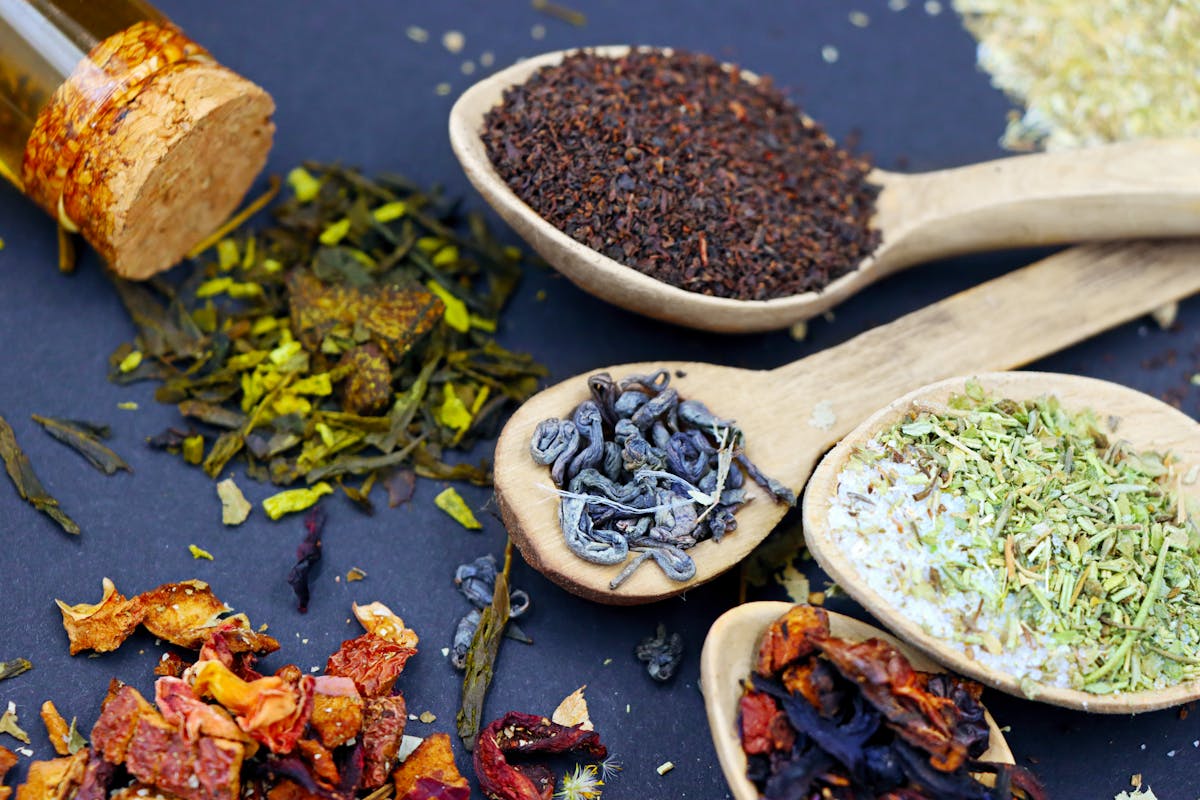
Green Tea: A powerhouse of catechins, especially epigallocatechin gallate (EGCG), green tea has been linked to numerous health benefits, including weight management and cancer risk reduction. Studies suggest that regular consumption can improve cardiovascular health.
Red Wine: Containing resveratrol, red wine in moderation may contribute to heart health. It’s important to remember the need for moderation due to the adverse effects of excessive alcohol consumption.
Coffee: Surprisingly high in antioxidants, coffee contains chlorogenic acid, which may help reduce inflammation and improve cholesterol levels.
These dietary choices showcase a wide spectrum of selections for incorporating antioxidants into one’s daily meals. A comprehensive strategy highlights the consistent inclusion of a diverse range of these items, thereby establishing a basis for enduring health and vigor. Through recognizing and opting for foods abundant in antioxidants, we can advance towards improved well-being and the avoidance of illness.
