

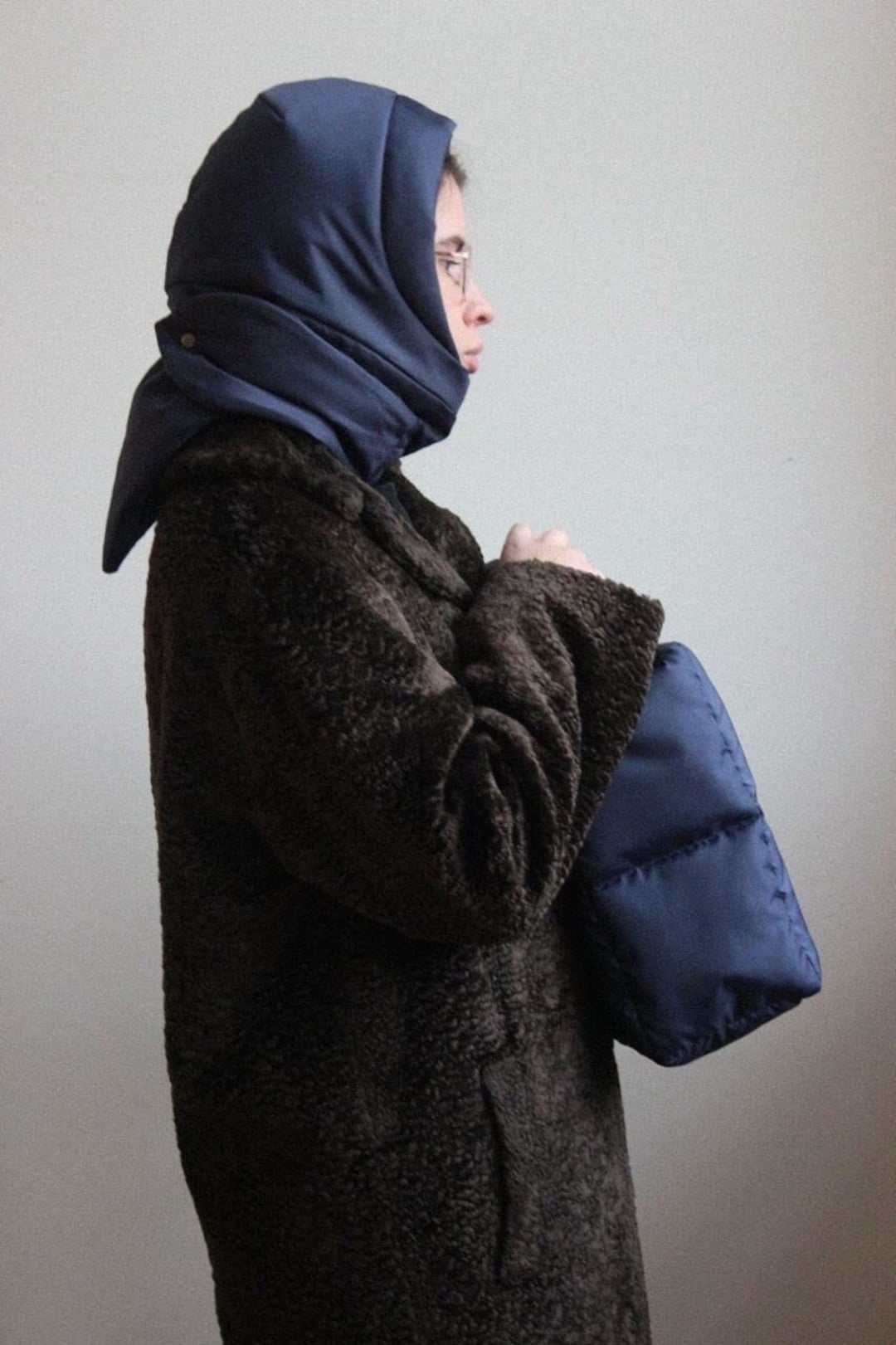
Fashion, a perpetually shifting industry, continually unveils fresh avenues for creative expression and adapts to every seasonal transition, with one key element of this evolution being the creation of seasonal lines, especially the fall-winter collection. Yet what exactly does this concept involve, and why does it hold such significance within the fashion world?
The Concept of Fall-Winter Collection
A fall-winter collection refers to a curated range of apparel and accessories specifically designed for the colder months, typically spanning from September to February. These collections are traditionally released during fashion weeks in early spring, giving retailers and consumers time to prepare for the impending seasonal shift. The primary goal is to combine functionality with style, crafting garments that not only keep wearers warm but also align with the latest fashion trends.
Key Elements of Fall-Winter Collections
One of the hallmarks of a fall-winter collection is its focus on materials. Designers opt for heavier and warmer fabrics such as wool, cashmere, and velvet. These materials provide insulation and comfort, essential as temperatures decrease. Layering is another critical aspect, allowing individuals to adjust their clothing according to indoor-outdoor temperature variations. This functionality is often achieved through pieces like jackets, sweaters, and scarves.
Color palettes shift dramatically in fall-winter collections. While spring-summer collections feature bright and vibrant hues, fall-winter palettes lean towards earth tones and muted shades. Colors such as deep burgundy, forest green, and rich navy dominate, reflecting the natural transformations during these seasons.
Accessories also play a significant role. Items like leather boots, hats, and gloves are not only fashionable but practical for frostier conditions. Additionally, the incorporation of textures such as knit patterns or metallic threads can add aesthetic interest and warmth to an outfit.
The Impact Exerted by Fashion Weeks
Fashion weeks in major hubs such as New York, Paris, Milan, and London stand as the starting point for fall-winter collections, acting as crucial showcases where designers present fresh concepts and shape the season’s direction. While initially reserved for exclusive audiences, these creations gradually make their way into more accessible high street fashion, ultimately guiding what appears in retail stores.
Designers turn to these platforms to explore new silhouettes and ideas, continually stretching the limits of traditional winter wear. Innovations like tech-enhanced fabrics that deliver greater warmth without extra weight are gaining widespread traction. As sustainability grows into a central priority, eco-conscious materials and responsible production methods are becoming more prominent across collections.
Consumer Behavior and Market Dynamics
The transition into fall-winter collections also indicates shifts in consumer behavior. With colder weather necessitating warmer attire, there is typically an increase in spending, with consumers seeking both necessities and luxury indulgences. The rise of e-commerce has further expanded access, allowing buyers to explore global collections from the comfort of their homes.
Moreover, brands are increasingly appealing to the environmentally conscious consumer through sustainable and ethical lines. Transparency in sourcing and production methods is not only a growing trend but a demand, with consumers more connected and informed than ever.
Challenges and Dynamics in the Industry
Creating a fall-winter collection involves navigating various challenges. Changing climate patterns have prompted designers to rethink traditional materials and designs. In some regions, milder winters mean there is less demand for heavy outerwear, influencing how collections are curated. The balance between innovation and practicality becomes crucial, with designers needing to predict and align with environmental shifts accurately.
Additionally, the impact of globalization has diversified consumer tastes, necessitating a broader range of styles within collections to cater to varied markets. While certain styles may resonate well in cooler, temperate regions, designers must also consider warmer climates where fall-winter collections might need to adapt to less severe weather conditions.
Reflecting on the essence of fall-winter collections, we see an intersection of artistry and practicality, shaped by seasonal rhythms but also by evolving consumer expectations and technological advancements. This dynamic ensures that each year, as days grow shorter and leaves turn brown, fashion continues to surprise, adapt, and inspire.
